Roof Repair
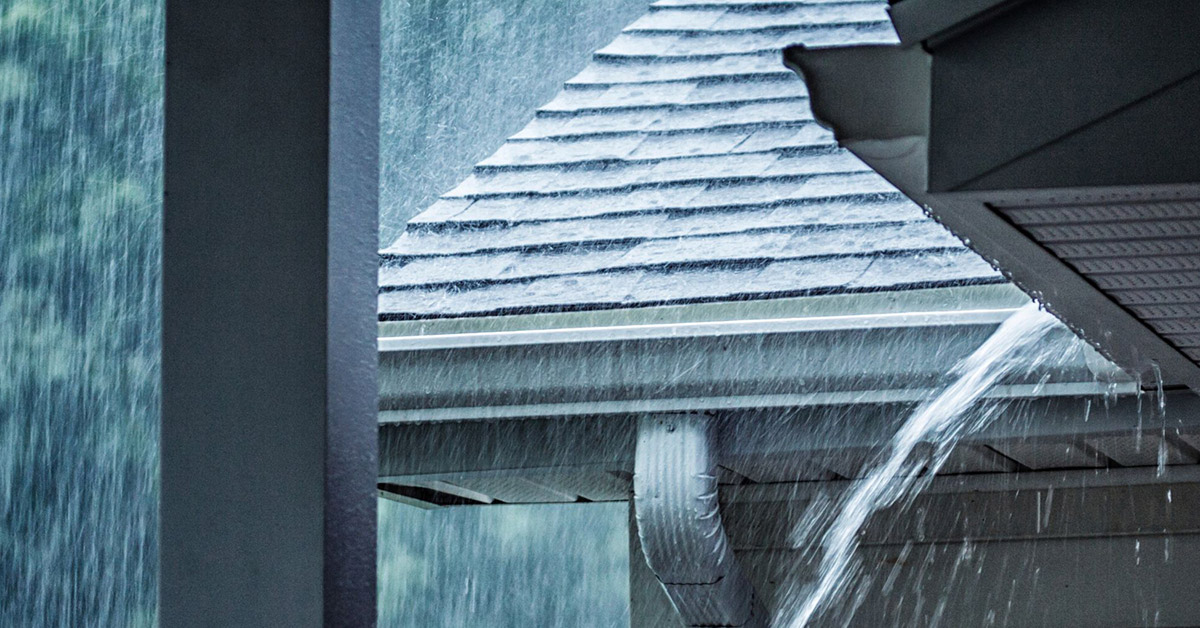
If you’re reading this while rain is hammering your roof and water is dripping from your ceiling, take a breath. You’re not the only Houston homeowner dealing with this tonight, and the next hour matters more than you think. What you do right now can be the difference between a manageable repair and thousands of dollars in water damage — and it can make or break your insurance claim later.
Here’s exactly what to do, in order.
Before you worry about the roof itself, deal with what’s under the leak. Move furniture, electronics, rugs, and anything valuable out of the drip zone. If something is too heavy to move — a couch, a bed, a piano — cover it with plastic sheeting, a tarp, or even trash bags in a pinch.
Water travels. A leak that starts in one corner of the ceiling can spread along drywall and drip several feet away, so clear a wider area than the drip itself.
Put a bucket, trash can, or large pot under the drip. Drop a towel or old t-shirt in the bottom of the container — it sounds small, but it stops that maddening drip-drip-drip sound and keeps water from splashing onto your floors.
If water is running down a wall, press towels along the baseboard and swap them out as they soak through. Wet drywall is a problem for later; soaked flooring and subfloor is a bigger one.
This is the step that surprises most homeowners. If you see a bubble or sagging spot in your ceiling, that’s water pooling on top of the drywall. Your instinct is to leave it alone. Don’t.
Put a large bucket underneath, grab a screwdriver, and poke a small hole in the center of the bulge to let the water drain out in a controlled stream. It feels wrong to put a hole in your own ceiling, but a small, deliberate hole is far better than the alternative: waterlogged drywall collapsing all at once and dumping gallons of dirty water into your living room.
If water is coming through or near a light fixture, ceiling fan, or anywhere close to wiring, turn off the breaker to that room. Water and electricity are a genuinely dangerous combination — don’t stand in a puddle flipping a light switch to “see if it still works.”
When in doubt, shut the breaker off and use flashlights until things dry out.
Once the immediate situation is contained, pull out your phone and start recording. Take photos and video of:
This documentation is gold when you file a claim. Insurance adjusters want evidence of when the damage occurred and how severe it was — and photos taken during the storm are far more convincing than photos taken a week later after things have dried.
If you can safely see your roof from the ground or a window, photograph any visible damage like missing shingles or debris. Which brings us to the most important warning on this list.
We mean it. A wet asphalt shingle roof is dangerously slick even for professionals with harnesses and proper footwear. Add wind, darkness, and adrenaline, and you have the recipe for an injury far worse than any leak.
There is nothing on your roof tonight worth falling off a ladder for. Tarping and repairs can wait until conditions are safe — and honestly, that’s a job for a roofer with the right equipment anyway.
After every major Houston storm, out-of-town “storm chasers” flood neighborhoods knocking on doors. Be careful. Work with a local, established company that will still be here in five years if you have a warranty issue.
A reputable local roofer will inspect the damage, provide honest documentation you can use for your insurance claim, and tell you straight whether you need a repair or a full replacement — no pressure, no scare tactics.
Contain the water, protect your belongings, document everything, and stay off the roof. The leak feels like an emergency — and it is — but it’s a manageable one if you handle the next few hours right.
Dealing with a leak from this week’s storms? Buildercraft Roofing offers free inspections across Houston, Katy, Sugar Land, The Woodlands, and surrounding communities, and we help homeowners document damage for insurance claims. Call us at (346) 855-2064, and we’ll take a look as soon as it’s safe.